Fine Line Tattoos: Technique, Aging and Best Placements
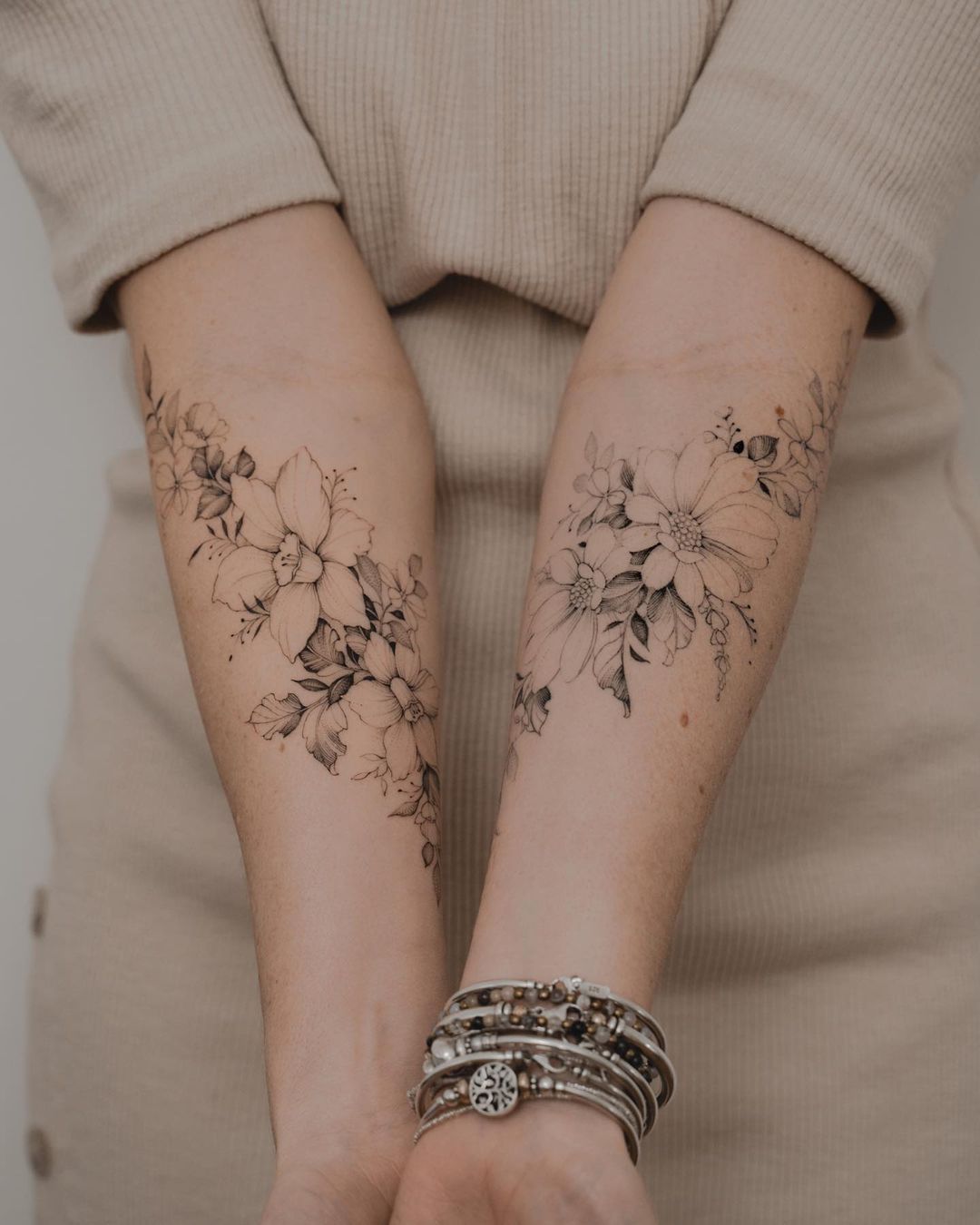
How single-needle and small round liner tattoos are made, where they came from, how they age, which sizes and placements hold up and how to pick an artist.
Related galleries
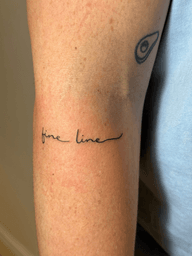
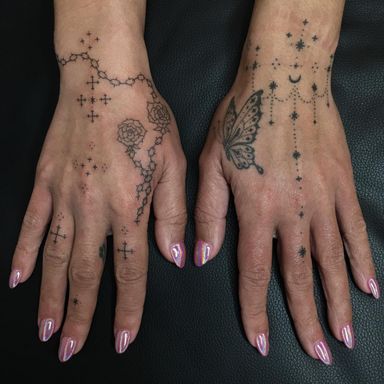
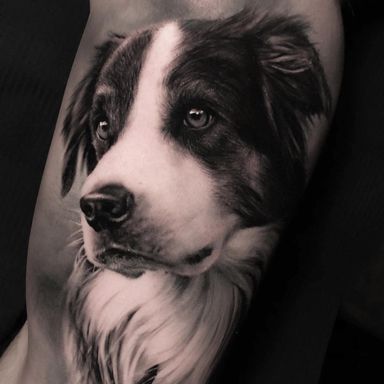
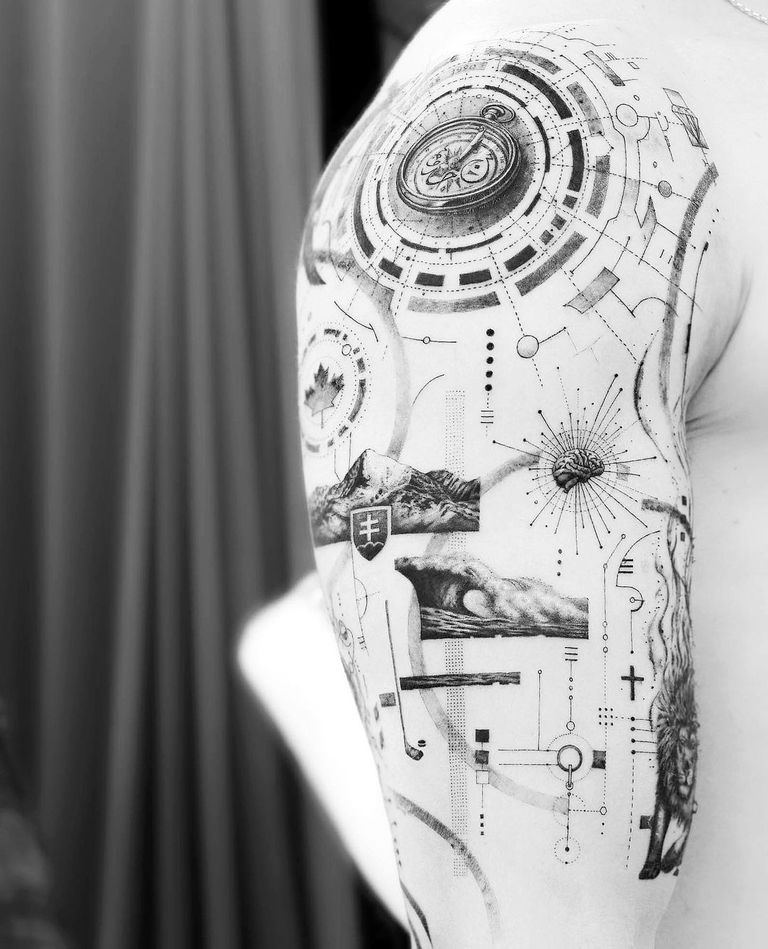
A fine line tattoo is drawn with a single needle or a tight group of three, so the lines come out about as thin as a pencil stroke. Most fine line work is black or grey, with soft shading and plenty of open skin. Botanicals, script, small animals and portraits are common.
Summary
- Fine line is a technique, not a set of motifs, so almost any subject can be done in it.
- The lines soften and spread a little over the years. Tiny details and tight gaps go first.
- Judge an artist by healed work at least a year old.
What makes a tattoo fine line
A tattoo is fine line because of the needle the artist uses and how gently they run it. A rose, a portrait, a line of script or a whole sleeve can all be fine line. Most are black and grey, shaded with soft gradients or stippling. Color is possible but less common, because thin lines give color little border to sit against.
Single needle vs small round liners
A traditional outline might use a group of 7 or 9 needles. Fine line artists work at the small end. A single needle (1RL) gives the thinnest line but carries the least ink, so it takes a steady hand to heal solid. A tight three (3RL) gives a slightly thicker line that holds more ink. Artists disagree on which ages better. What counts is whether their lines still look clean once healed.
Where fine line tattooing comes from
The roots are in California prisons. Inmates built tattoo machines from pen parts and guitar strings. With a single needle and only black ink, the work came out as thin lines and grey shading. In the 1970s, East Los Angeles shops switched to a single needle for Mexican-American clients who wanted that prison look.
In the 2010s the same technique went small. Tiny botanicals, script and symbols spread on Instagram, and that’s the look most people now mean by fine line.
How fine line tattoos age
Every tattoo softens over time, and fine line shows it sooner because there’s less ink to lose. Ink is held by immune cells in the dermis, the skin layer under the surface. A 2018 study in mice found that pigment is passed on as old cells die and new ones take it up. That slow turnover is likely part of why lines soften. A single-needle line turns softer, wider and greyer.
- Small gaps close first: the inside of an “e”, two close lines, fine hatching.
- Light grey shading fades before the lines do.
- Sun speeds it all up, so sunscreen on healed fine line work makes a visible difference. Our guide on protecting a tattoo from the sun has the details.
- A touch-up can bring lines back, and some people get faded work relined years later.
Nobody can promise you a number of years. A well-placed fine line tattoo can still read clearly a decade on. A tiny one on a finger may not last a year.
Blowouts
A blowout happens when ink goes in too deep and spreads under the skin. It shows as a blue-grey haze along a line within the first weeks. Thin skin on wrists and feet blows out more easily. If it doesn’t fade, a thicker line or shading can cover it, or a laser can lighten it.
Which sizes and placements suit fine line
There’s no fixed minimum size. A rule that works: if you have to lean in close to read a detail on the stencil, it’s too small to last ten years. Lettering needs the most room. Ask your artist how small they’d go, and believe them if they say bigger.
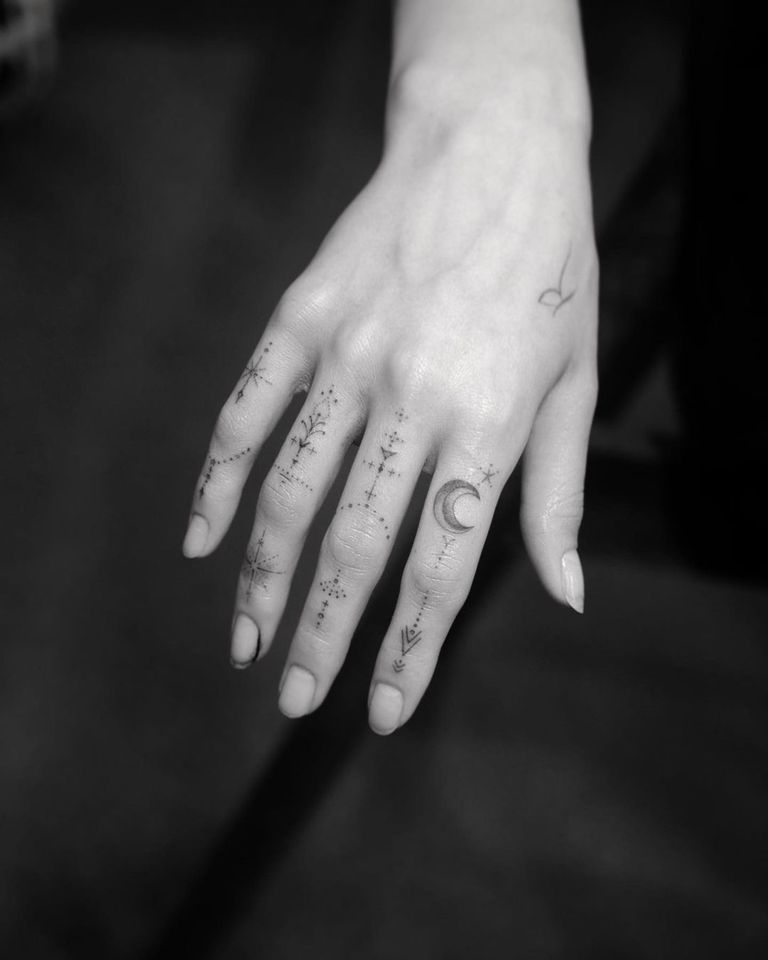
Fine lines hold best on thicker skin that doesn’t rub much: forearms, upper arms, shoulders, the upper back, thighs and calves. Ribs and collarbones hold well but hurt more. They hold worst on fingers, hands and feet, and anywhere a shoe or waistband rubs. That skin renews fast and gets used all day, so lines can blur within months. Many artists leave hands and feet out of their touch-up policy.
Healing a fine line tattoo
Fine line work heals on the same schedule as other tattoos: the surface in 2 to 3 weeks. Our guide to how long a tattoo takes to heal goes week by week. While it peels, the lines can look patchy or faint, then usually even out. Don’t pick at flakes, since a thin line has little ink to spare. Wait about a month before judging gaps.
Styles often done in fine line
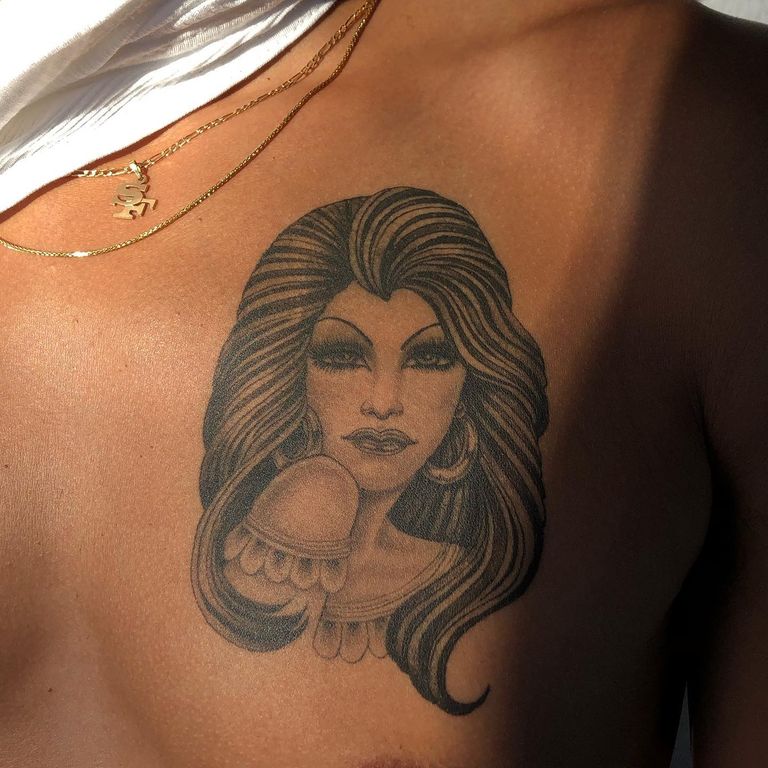
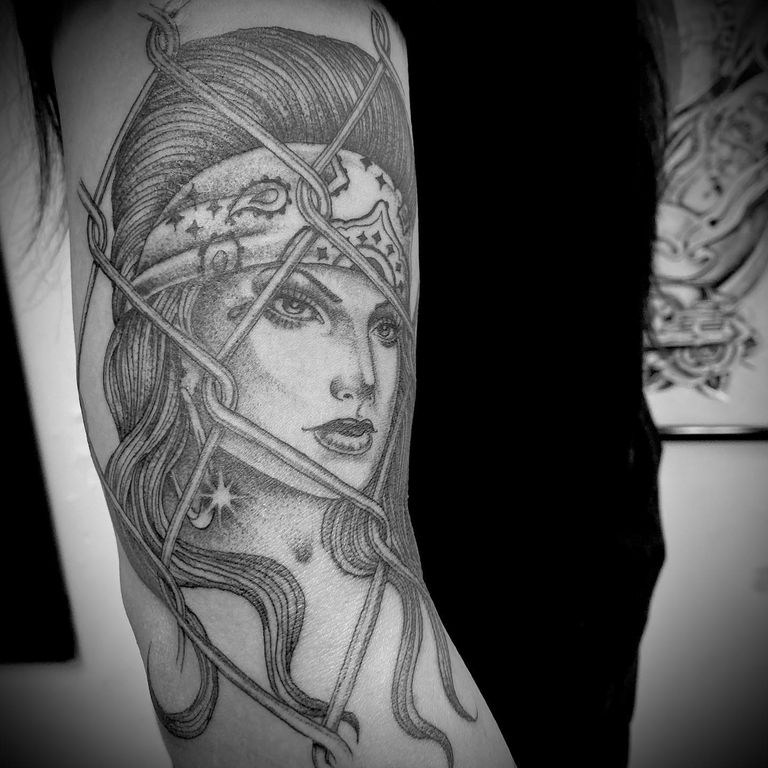
Chicano style
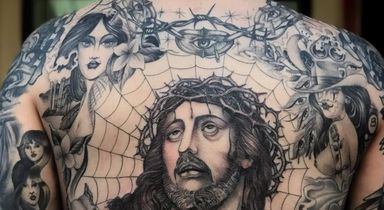
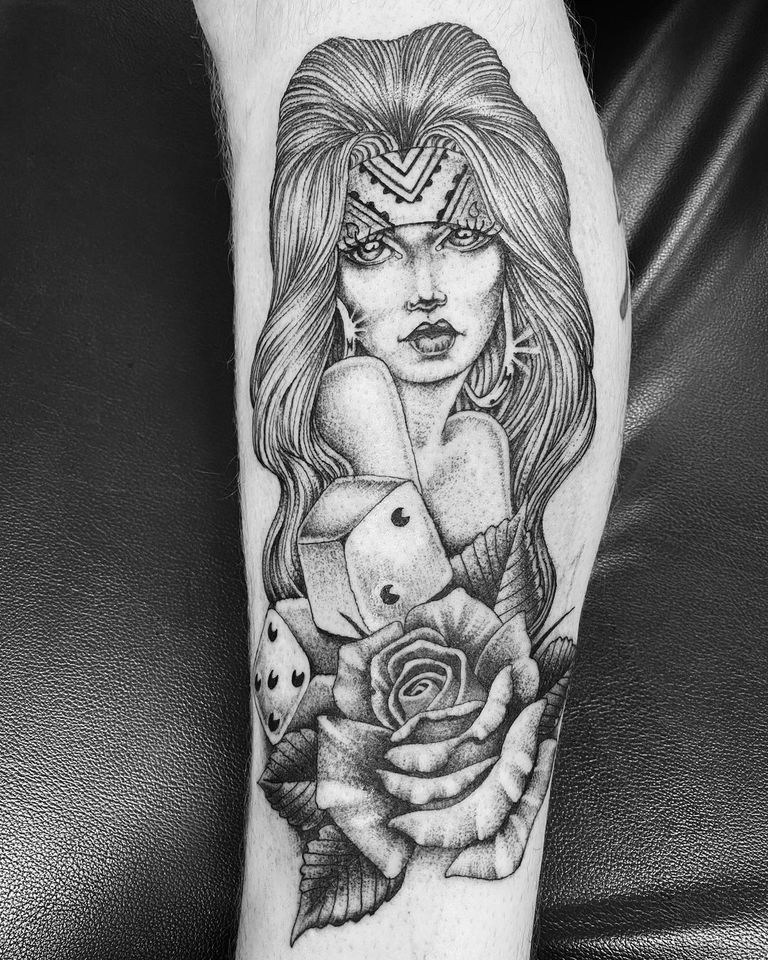
Single-needle tattooing grew out of this tradition, and much of it is still done that way: black and grey portraits, roses, religious imagery and flowing script. Our guide to Chicano tattoos covers the history.
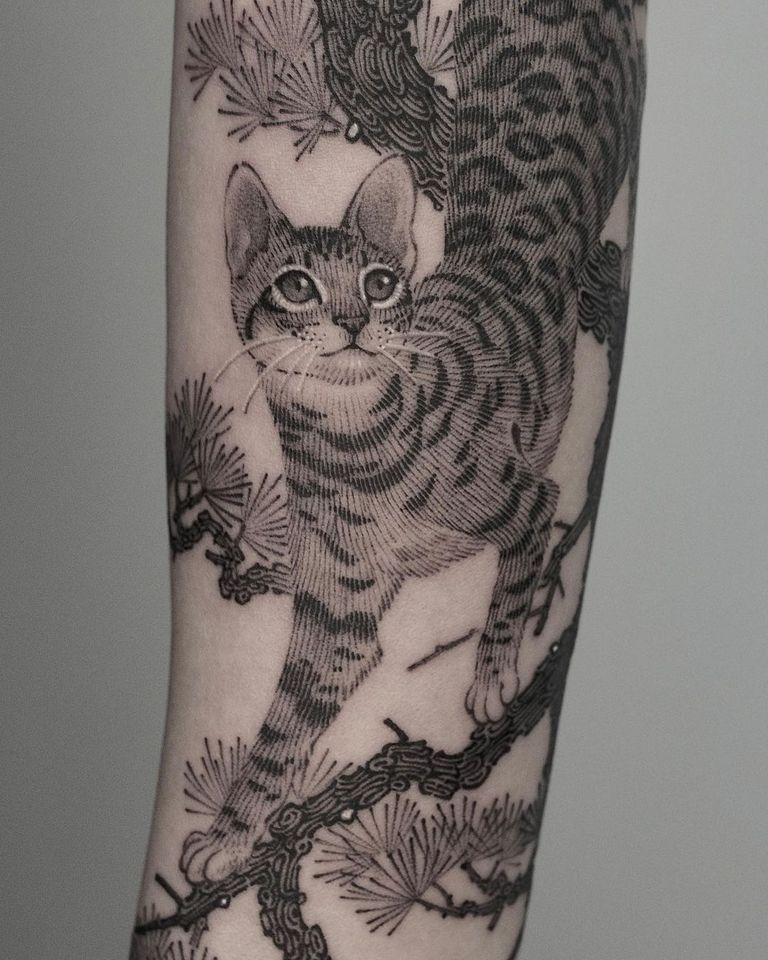
Illustrative
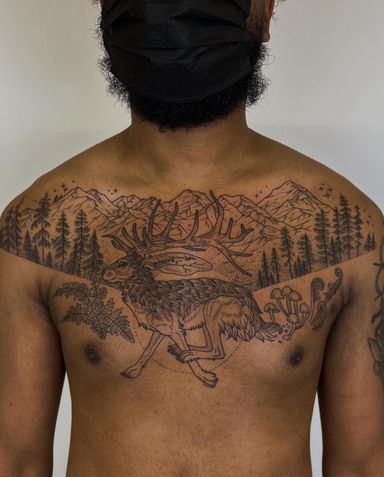
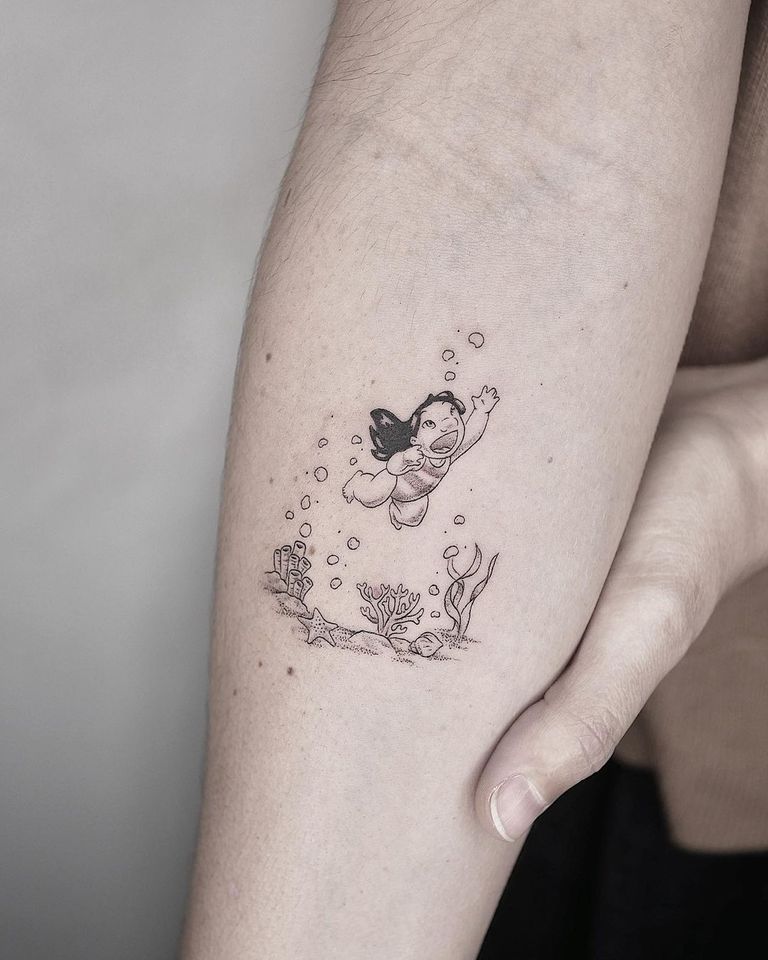
Fine line suits designs that start as drawings, sketches or etchings. Hatching and thin contour lines keep the look of pen on paper. Leave space between hatched lines so they don’t merge with age.
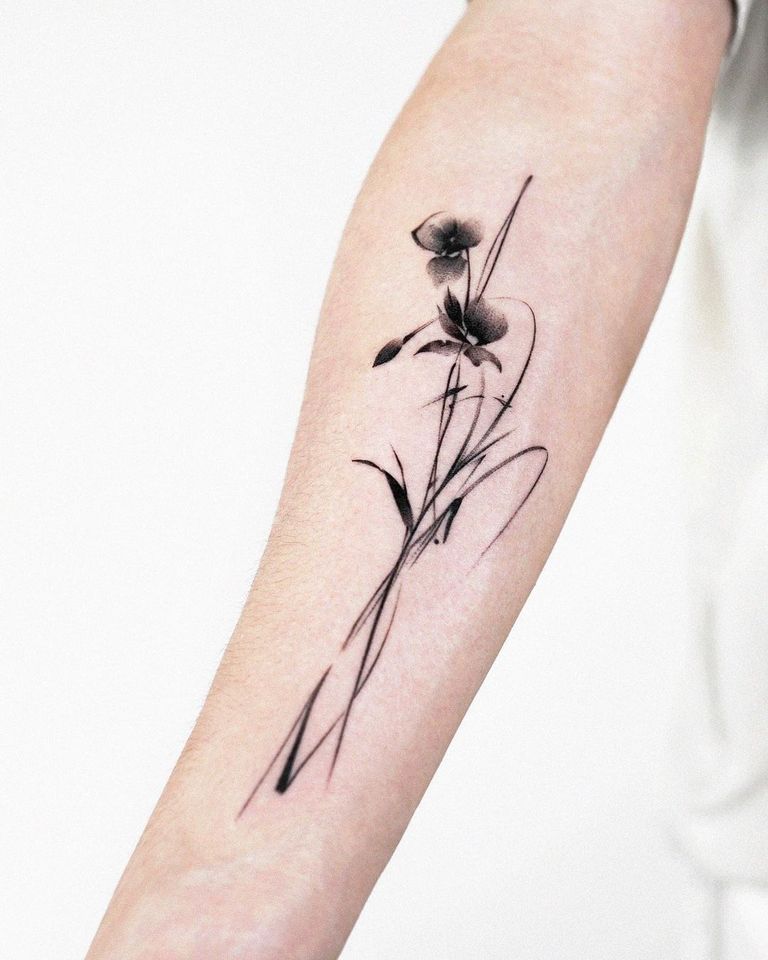
Minimalism
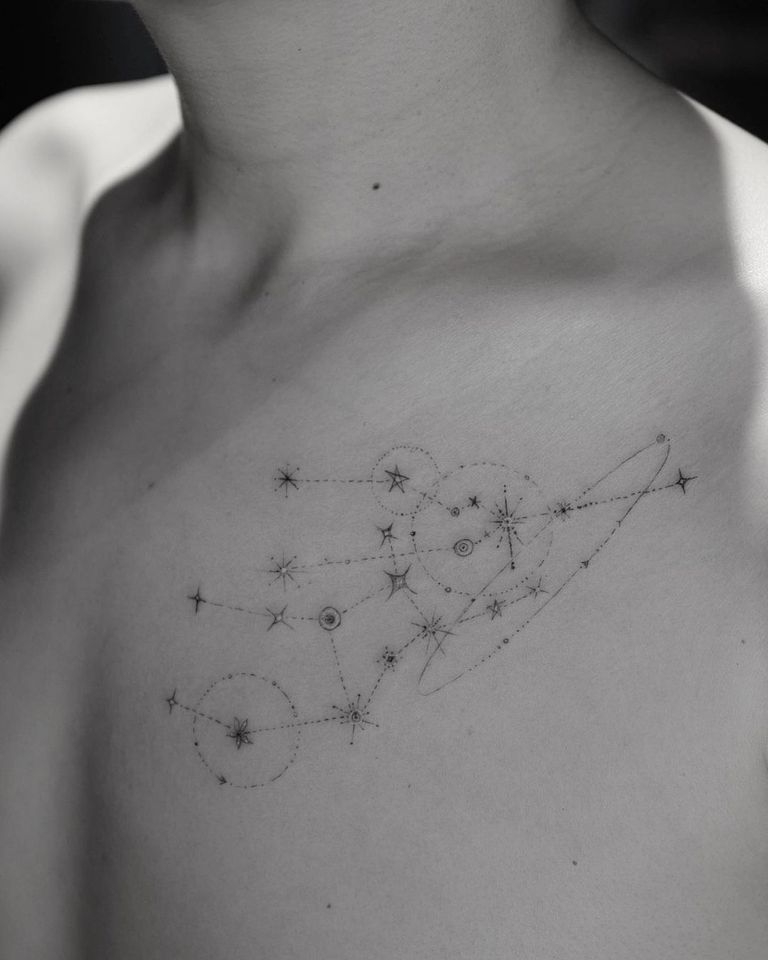
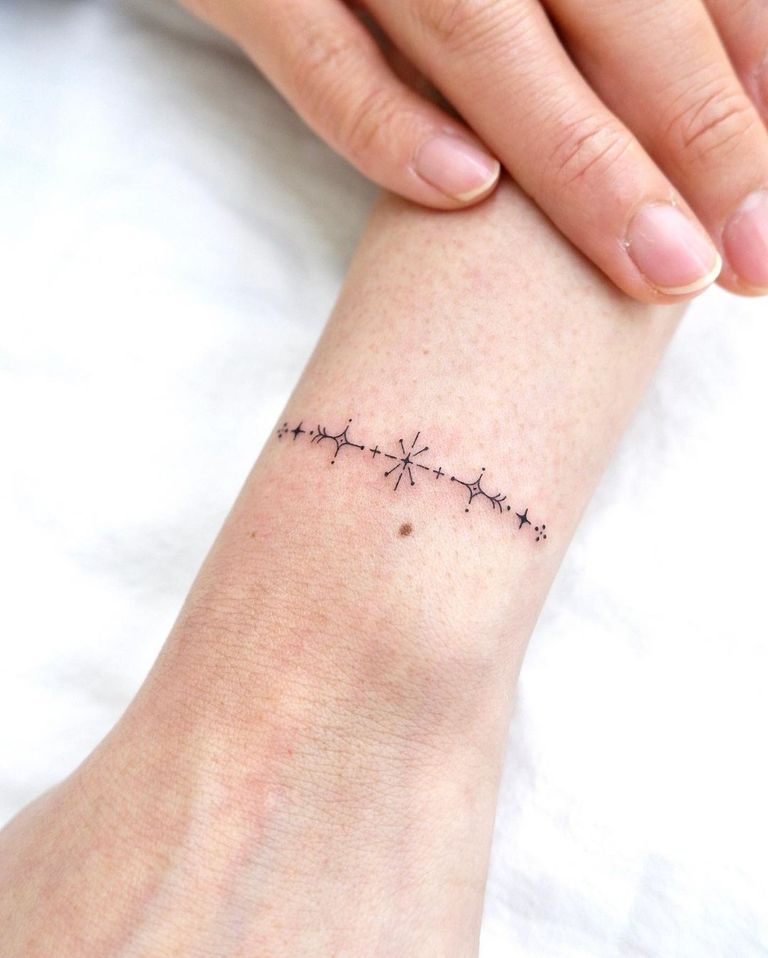
Minimal tattoos cut a subject down to a few lines: a constellation, a symbol, a single stem. They’re also the hardest to keep, since sparse designs have the least ink to lose.
Micro-realism
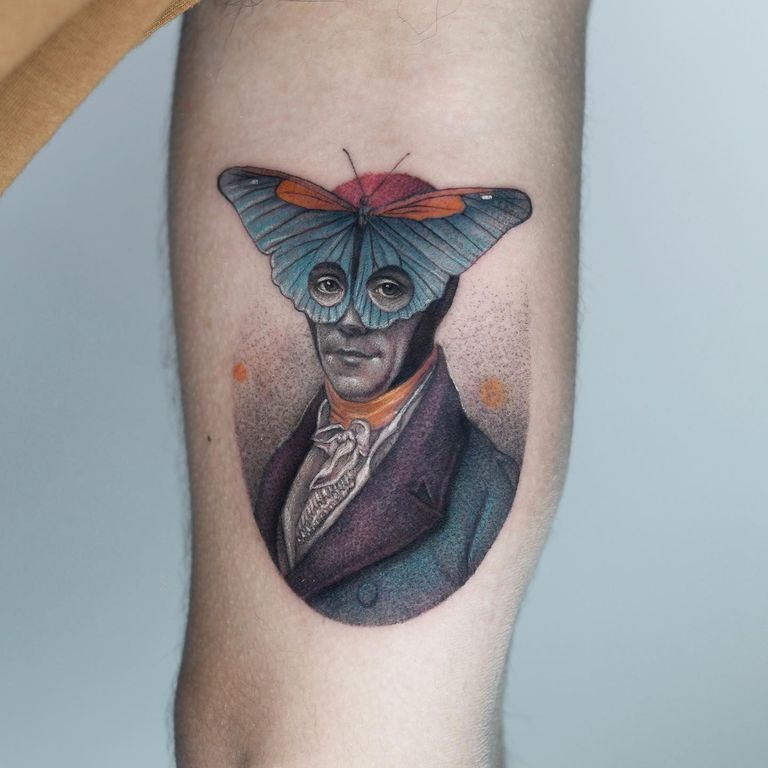
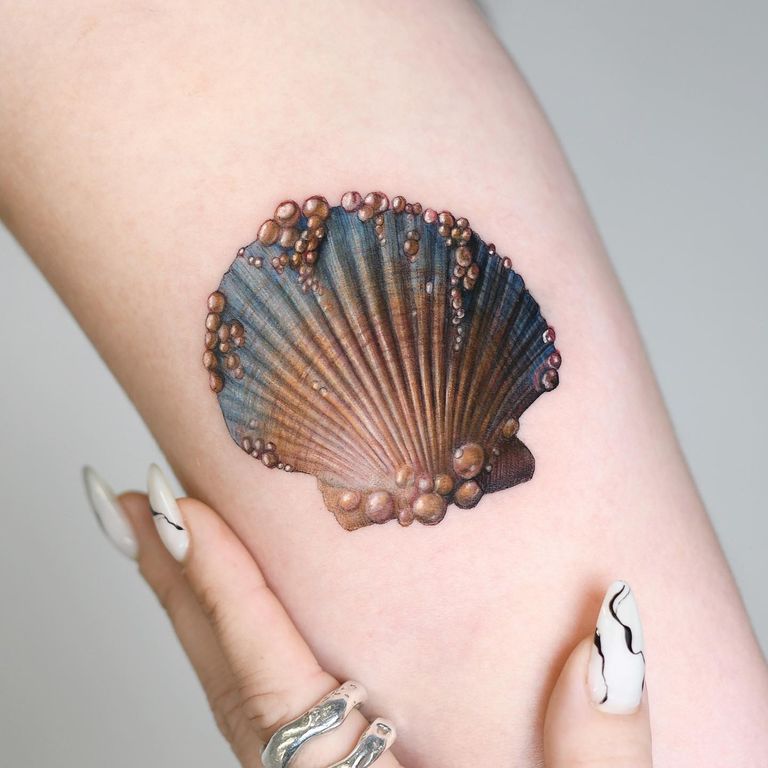
Micro-realism shrinks realism down to a few centimeters, in color or black and grey. Aging hits it hardest, because so much detail sits in so little space. Ask to see healed examples before you book.
How to choose a fine line artist
Fresh fine line tattoos photograph well, so judge an artist by how the work looks healed. Before you book:
- Look for healed photos, ideally a year old or more. If you can’t find any, ask.
- Check the lines up close. They should be even from end to end, with no wobble or blobs where lines meet.
- Ask which needles they’d use for your design and why. “Single needle for everything” is a weak answer.
Fine line portfolios are easiest to judge side by side. See the fine line tattoo artists in London, or open the same style page for your own city.
Browse fine line tattoo ideas, then take the one you like to an artist from the artist finder and ask how big it needs to be to last.
Cover image: Tritoan Ly