How to Prepare for a Tattoo Appointment
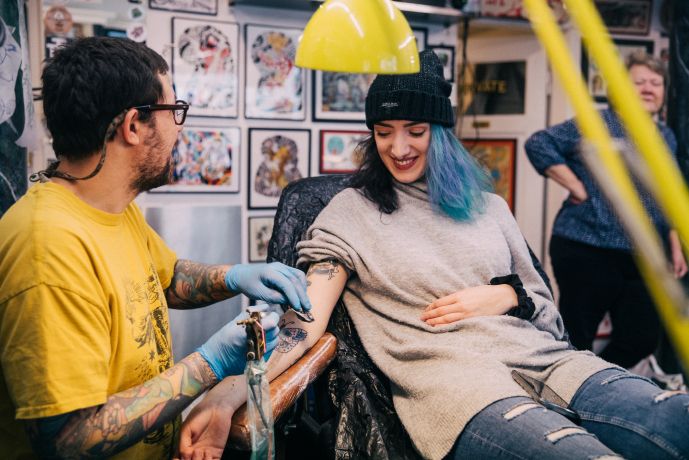
What to do in the days before a tattoo, on the morning of your session, what to bring to the shop and what happens once you’re in the chair.
To prepare for a tattoo appointment, sleep well the night before, skip alcohol for at least 24 hours, and eat a proper meal an hour or two before. Moisturize the area in the days leading up to it and keep it out of the sun. Wear clothes that give your artist easy access to the spot. Bring photo ID, payment, water and a snack.
Summary
- Alcohol can make you bleed more, which makes it harder for your artist to see the lines.
- Most artists won’t tattoo over sunburn, a cut or a rash.
- Tell your artist about medical conditions, blood thinners and allergies before the day.
What to settle with your artist before your tattoo appointment
Agree on the design, size and placement before the appointment, so the session is spent tattooing rather than redrawing. Our guide on how to talk art with your tattoo artist covers references and briefs.
Check the start time and how long the session should last. Ask how the deposit works and how much notice the artist needs to move the date. It’s also fair to ask how the shop sterilizes its equipment. Look for a licensed artist and shop, gloves throughout and sterile wipes on your skin.
Tell your artist ahead of time if you have diabetes, a skin condition, a bleeding disorder or an allergy, if you’re pregnant, or if you take blood thinners. If a condition affects healing, talk to your doctor first. And if you come down with a fever or a cold in the days before, call the shop. Most would rather reschedule.
Avoid drinking alcohol for at least 24 hours
Most artists ask you not to drink for at least 24 hours before. Heavy drinking can affect how quickly your blood clots. So you may bleed more, and that makes it harder for the artist to see. Most artists will turn you away if you arrive drunk.
Be careful with painkillers too. Aspirin is a blood thinner1, and ibuprofen can also affect bleeding, so check with a doctor or pharmacist first. If a doctor has prescribed a blood thinner, don’t stop taking it for a tattoo. Talk to your doctor and tell your artist.
Keep yourself hydrated
Drink water normally the day before and the morning of, and bring a bottle. Being dehydrated makes you more likely to feel lightheaded in the chair. You don’t need liters of extra water. Just don’t arrive thirsty. Go easy on coffee and energy drinks too. Shaky hands and a racing heart make it harder to sit still.
Prepare your skin
Moisturize the area once or twice a day in the week before, so it isn’t dry or flaking. On the day, shower but leave lotion, oil and self-tanner off the spot. The stencil transfers best onto clean, bare skin.
Keep the area out of the sun and away from tanning beds. Most artists won’t tattoo sunburned or peeling skin, or skin with a cut, rash or breakout.
On shaving, artists disagree. Most shave the area themselves just before they start, and some would rather you didn’t shave at home, to avoid razor burn. Ask your artist what they want.
Get a good night’s sleep and skip the gym
Aim for a full night, which for most adults means seven hours or more. Sleep loss tends to make pain feel sharper. Skip the hard workout on the day, too. Sore muscles are unpleasant to tattoo over, and you’ll want that energy for the chair.
Eat a proper meal beforehand
Eat a full meal one to two hours before your appointment. Something with protein and slow-release carbs, like eggs on toast or rice and beans, keeps your blood sugar steady. Feeling lightheaded in the chair is common, especially for first-timers, and an empty stomach makes it more likely.
If you feel dizzy, sweaty or sick during the session, tell your artist straight away. They’ll stop and give you a minute. For anything longer than two or three hours, bring a snack and a sugary drink.
Wear comfortable clothing
Wear loose clothes that you don’t mind getting ink on, and that let the artist reach the spot easily. Shorts work for a calf or thigh, and a button-up top for the shoulder. For a rib, chest or back piece, wear a loose top you can take off easily. Think about the trip home too. Tight jeans rubbing a fresh thigh tattoo will hurt.
What to bring to your tattoo appointment
- Photo ID, since most shops check your age.
- Payment for the balance. Ask in advance whether the shop takes cards. Our guide to how much a tattoo costs covers pricing and tipping.
- Water and a snack, ideally something with sugar in it.
- Headphones and a charged phone for long sessions.
- A warm layer, because shops can be cool.
Check before you bring a friend. Some shops have no room for guests in the work area.
What to expect during the session
Your artist will put the stencil on and ask you to check it in the mirror. Speak up now if the size or position looks off. Moving a stencil takes a minute. Moving a tattoo isn’t possible.
Once the needle starts, keep still and breathe slowly. Ask for a break when you need one. If you’re nervous about pain, our guide to the most painful places to get a tattoo shows which spots hurt most. Large pieces are usually split over several sessions, a few weeks apart.
Follow your aftercare instructions
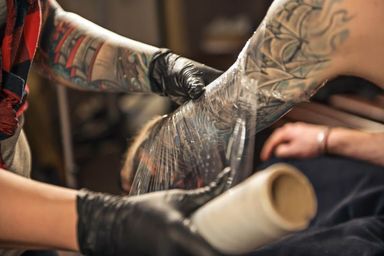
When the tattoo is done, your artist will clean and cover it, and tell you how long to leave the cover on. Follow their instructions over anything you read online. Our tattoo aftercare guide covers the basics.
Some redness and tenderness for the first few days is normal. See a doctor if the redness keeps spreading, the pain gets worse, the skin feels hot, or you get a fever. These can be signs of infection.
If you haven’t booked yet, find your artist first through the Tattoodo artist finder, then come back to this list in the week before your date.